
The right wall colour can bring your furniture, flooring and lighting together. But with so many shades available, where should you begin?
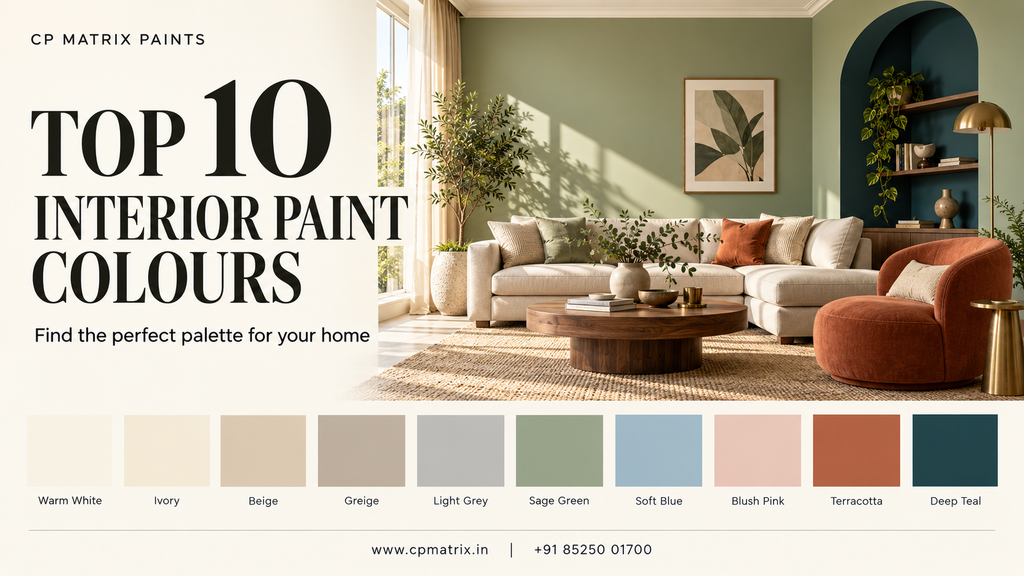
If you are wondering what are the top 10 paint colors, our practical shortlist is warm white, ivory, beige, greige, light grey, sage green, soft blue, blush pink, terracotta and deep teal. These are versatile design suggestions rather than an official popularity ranking.
Whether you are decorating a new home or refreshing one room, this guide explains where each colour works well and how to choose a suitable interior paint.
Table of Contents
What Are the Best Interior House Colors
The best interior house colors complement the features you already have. Start with your floor tiles, wooden furniture, curtains and countertops. A shade that looks attractive online can look different beside these materials.
Warm neutrals are useful when you want a consistent palette across several rooms. Softer greens and blues introduce colour gently, while terracotta and teal create stronger focal points. Test your choices in the actual room before making a final decision.
What Are the Top 10 Interior Paint Colors
1 Warm White
Warm white creates a simple background for both contemporary and traditional interiors. Its subtle warmth pairs well with wood, woven fabrics and earthy accessories.
Consider it for living rooms, bedrooms and connected spaces where you want a consistent colour. Pair it with sage furnishings or a terracotta accent, and compare samples carefully: some warm whites appear noticeably cream under warm bulbs.
2 Ivory
Ivory has a softer, creamier appearance than a crisp white. It is a useful choice for interiors with teak furniture, beige tiles and brass details.
Try ivory in a family living room or dining area, with muted green curtains or walnut furniture. If your flooring already has strong yellow tones, check that the combination does not feel too yellow.
3 Beige
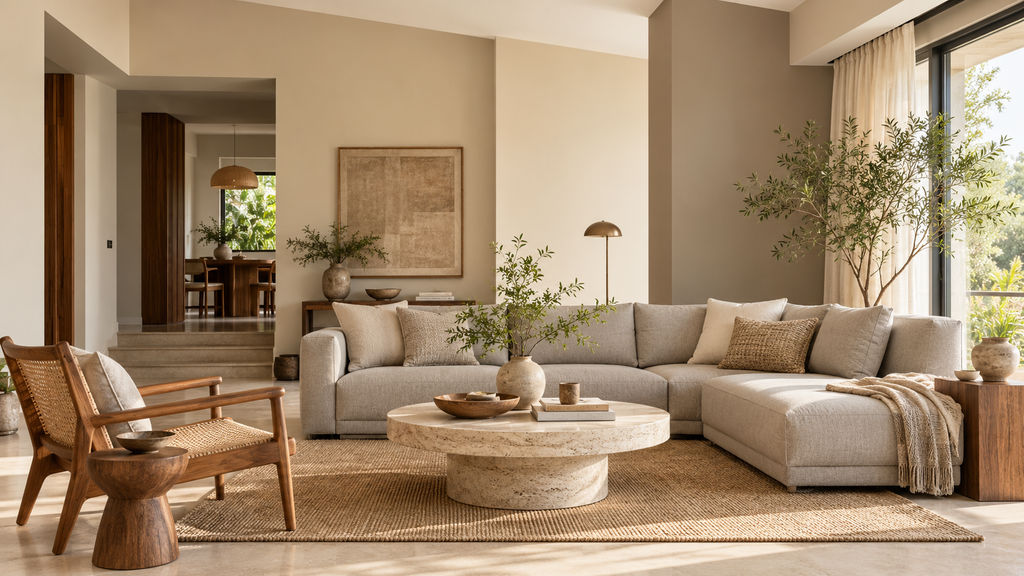
Beige offers a warm neutral base that works with many everyday furnishings. It suits homes where wood, brown upholstery and natural textures are prominent.
Use beige across a living and dining area for continuity. Add off-white trim and a deeper brown or olive accent to keep the scheme from feeling flat.
4 Greige
Greige combines grey and beige, making it a useful bridge between warm and cool finishes. Consider it when your room has grey flooring alongside wooden furniture.
It can work well in living rooms, bedrooms and home offices. Compare it with your tiles before choosing: individual greige shades may reveal pink, green or violet undertones.
5 Light Grey
Light grey provides a restrained background for white furniture, black details and blue accessories. It is a practical design option for a clean, contemporary interior.
Try it in a study or living room, adding wood and textured fabrics for warmth. In a dim room, test a warmer grey alongside a cooler one to see which feels more inviting.
6 Sage Green
Sage green is a muted green that introduces colour without the intensity of a bright shade. It pairs especially well with ivory, pale wood and natural fabrics.
Consider sage for a bedroom, reading corner or living room. Use it on all walls for a more enveloping scheme, or behind a bed if you prefer a smaller amount of colour.
7 Soft Blue
Soft blue gives a room a gentle colour base and works well with white, sandy beige and wood. Greyed blues create a subtler effect than brighter sky blues.
Try soft blue in a bedroom or study. Check samples under evening lighting as well as daylight, because the balance between blue and grey can shift.
8 Blush Pink
Blush pink brings a soft warmth to interiors. A muted, earthy pink can work with grown-up furnishings just as comfortably as it does in a child’s room.
Pair it with ivory, walnut or muted green in a bedroom or sitting area. Choose a subdued shade if you want the wall colour to support your décor without dominating it.
9 Terracotta
Terracotta introduces an earthy red-orange tone that pairs beautifully with cream, wood and greenery. It is a good option when you want a more expressive interior.
Use it for a dining room, entrance feature or wall behind a sofa. If you are unsure about a strong colour across the whole room, begin with one wall and keep adjacent surfaces lighter.
10 Deep Teal
Deep teal blends blue and green into a rich colour that creates a strong focal point. It works particularly well with ivory, warm wood and small brass accents.
Consider teal behind a bed, around a reading nook or on a living room feature wall. It can also create an intentionally cosy room when used more extensively; test a large sample before committing.
What Is the Best Color for House Interior
For a flexible whole-home starting point, consider warm white, ivory or beige. These shades allow furniture, artwork and textiles to provide much of the variation between rooms.
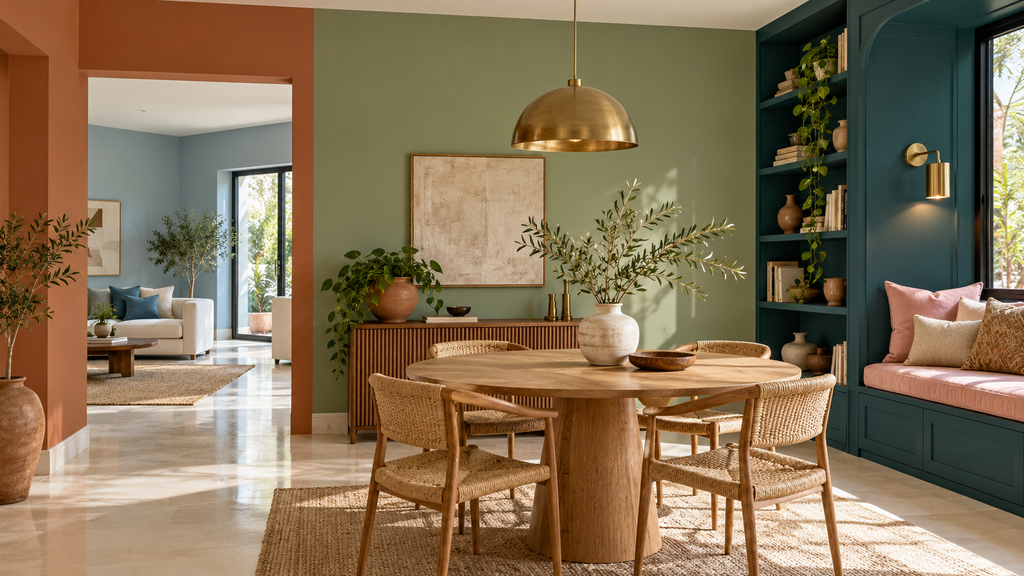
If you are asking what is the best interior paint color for your particular home, first decide the effect you want. An understated scheme may suit warm white or greige; a more colourful one might combine ivory common areas with sage bedrooms and a teal feature wall.
Natural and artificial lighting both affect colour appearance. View samples in the morning, afternoon and evening, with your usual lights switched on. [1]
What Is the Best Interior White Paint
Choose the undertone and the paint’s performance separately. Warm whites often complement cream flooring and wood, while cleaner whites may suit cooler finishes.
Compare two or three whites against your floor, ceiling and cabinets. A white that looks neutral in isolation may look yellow, pink or grey beside another white. Also check that the chosen product provides the finish and cleaning performance your room needs.
What Is the Best Interior Wall Paint
A suitable interior wall paint should match the room’s use, wall condition, desired finish and budget. A water-based interior emulsion is a common starting point for plastered interior walls.
When comparing products, look for coverage information, washability, application instructions and a finish you like. Matte finishes generally make surface imperfections less noticeable; eggshell and satin introduce more sheen. Cleaning performance varies by formulation, so assess the specific product rather than relying on sheen alone. [2]
If your search is “what is best interior wall paint,” begin with how the space is used. A busy hallway needs different cleaning performance from a rarely used guest bedroom.
What Is the Best Paint for Home Interiors
The best paint for home interiors is one suited to the surface and daily wear it will receive. For family rooms, prioritise documented washability. For kitchens and bathrooms, check that the product is specified for those conditions.
For anyone asking “what is the best paint for house interior,” preparation also matters. Follow the manufacturer’s instructions for cleaning, repairs, compatible primer, drying times and application. Resolve the cause of dampness before repainting an affected wall.
Frequently Asked Questions About Interior Paint Colors
1. What are the top 10 paint colors for home interiors?
Our recommended shortlist includes warm white, ivory, beige, greige, light grey, sage green, soft blue, blush pink, terracotta and deep teal. These colours offer a mix of versatile neutrals and expressive accents. The right choice depends on your lighting, furniture and personal style.
2. What are the best interior house colors?
The best interior house colors complement your flooring, furniture and décor. Warm white, ivory and beige are useful starting points for a coordinated home. Sage green and soft blue introduce gentle colour, while terracotta and deep teal work well as stronger focal points.
3. What is the best color for house interior walls?
There is no single best colour for every home. Warm white is a flexible starting point, while beige creates a warmer scheme and greige combines well with mixed finishes. Compare physical samples in your room before choosing.
4. What is the best interior paint color for a bedroom?
Consider sage green, soft blue, ivory or muted blush pink for a bedroom with a soft, understated appearance. Pair your wall colour with bedding, curtains and furniture you already own to create a coordinated space.
5. What is the best interior white paint?
The best interior white paint combines a suitable undertone with the performance your room needs. Warm whites often complement wood and cream flooring, while cleaner whites can work with cooler finishes. Compare samples beside your ceiling, cabinets and tiles, because neighbouring colours can change how white appears.
6. What is the best interior wall paint?
Choose an interior wall paint suited to your surface, room usage and budget. Water-based interior emulsion is a common option for plastered walls. Compare the product’s coverage, washability, finish and application requirements rather than choosing by colour alone.
7. What is the best paint for home interiors with children?
For busy family spaces, look for an interior paint with documented washability and stain resistance. Check the manufacturer’s cleaning instructions and curing time before washing newly painted walls. Performance varies between products, including those with similar finishes.
8. Which interior paint colors work well in small rooms?
Warm white, ivory, light beige and soft grey are useful choices when you want a light, open-looking scheme. Darker shades can also work if you prefer a cosy atmosphere. Consider lighting and furniture placement alongside wall colour.
9. Should every room in a house have the same paint color?
No. You can use a consistent neutral in connected areas and introduce complementary colours in bedrooms or feature walls. For example, ivory living areas can connect with sage green bedrooms and a deep teal accent.
10. How do I choose the right paint color before painting?
Shortlist two or three shades and test them on your wall or movable sample boards. View them in daylight and under your usual evening lights. Compare each sample with your flooring, furniture and curtains before purchasing the full quantity.